Paid Media
Updates by Casey Anderson, Paid Media Director
Early takes on ChatGPT Ads
In the short time since their launch, OpenAI has earned $1 million in ad revenue from 600 advertisers over just six weeks. Given that ads have only been shown to 20% of users who would be eligible to see ads, OpenAI’s revenue-generating future seems bright.
To date, getting ads placed on ChatGPT required large budgets and old-fashioned talking to make the buys. But self-service ad-buying is scheduled to launch in April. Early adopters may benefit from lower costs and less competition.
Users seem fairly happy with the quality of ads. They reported fewer than 7% as “low relevance”.
Meanwhile advertisers, while being optimistic about the platform, are reporting growing pains, like insufficient delivery (not spending all of the budget) and a lack of performance reporting. This will surely improve over time, but may cause eager advertisers to take pause, rightfully so.
Microsoft Streamlined Bidding
For all the ways that Microsoft ads are similar to Google Ads, there are just as many ways that they are not. Bidding has always been a lever that needs its own Microsoft-specific strategy. That much hasn’t changed, but we are seeing Microsoft move into a more streamlined direction when it comes to value-based bidding for conversions.
Target CPA and Target ROAS are now consolidated, add-on options under the umbrella of the Maximizing conversions bid strategy. This type of automated bidding has been standardized in other platforms for some time now, so it is nice to see Microsoft finally catching up.
Google Discontinues Restrictive Ad Policies
If you’ve ever had an image or logo disapproved by Google for its quality, this is an especially helpful change. Last month, Google released the following statement regarding changes to some well-known legacy ad policies:
“Effective March 17, 2026, the Form ad requirements, Image quality requirements, Responsive ad requirements, and the Text ad requirements policies have been discontinued. This change is a result of these product offerings evolving into newer Google products, rendering the original policy requirements obsolete for advertisers.”
Advertisers are now expected to rely on current Google Ads policies and ad format requirements, which govern newer formats like automated and AI-driven campaigns.
By removing legacy requirements, Google is streamlining policies in Google Ads — signalling a continued move toward fewer, more unified standards for modern ad formats.
Meta Changes Click-Through Conversions
Update by Two Octobers’ Head of Analytics Nico Brooks. Read more marketing analytics updates on his April Analytics Roundup.
Likes and clicks used to be tracked as ‘clicks’ under the click-through conversion rate. But last month, they moved those engagements into a new conversion type, “engage-through”.
We appreciate better visibility into how social marketing influences decision-making, but don’t be caught off guard by a decrease in click-through conversions starting in March. We recommend reporting on a combined engage-through + click-through metric for a transition period.
SEO & AEO
Updates by Brett Woodward, Sr. SEO
Personalization is expanding across the Google ecosystem
We’re quickly approaching a world where personalization plays a significant factor in all our search experiences. Earlier this year Google introduced Personal Intelligence where users could integrate data from apps like Gmail and Photos into their experience across AI Mode and the Gemini app. Now, Google is expanding that capability to Gemini in Chrome for US users as well.
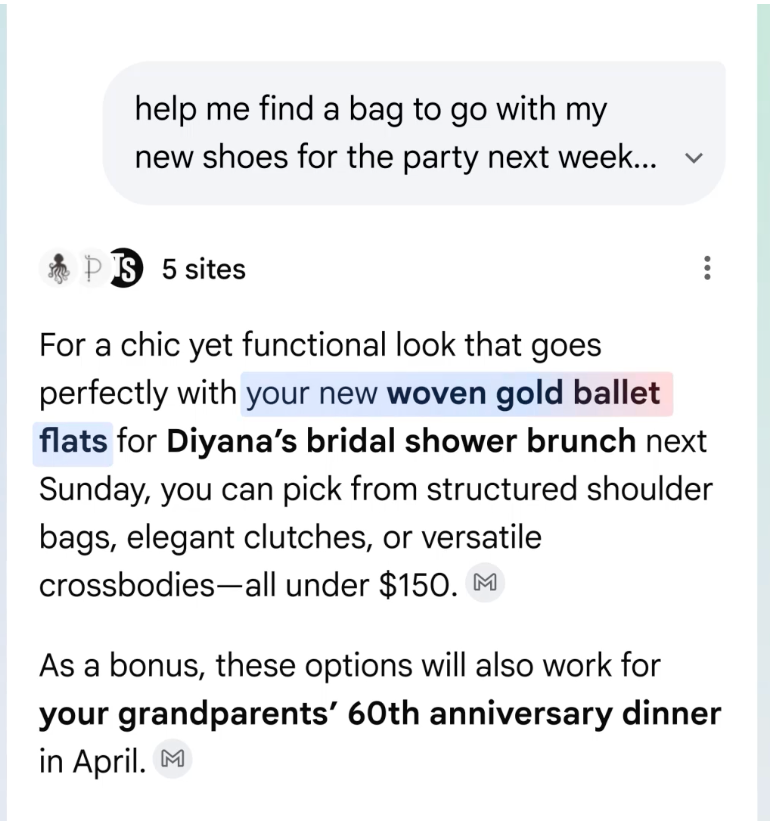
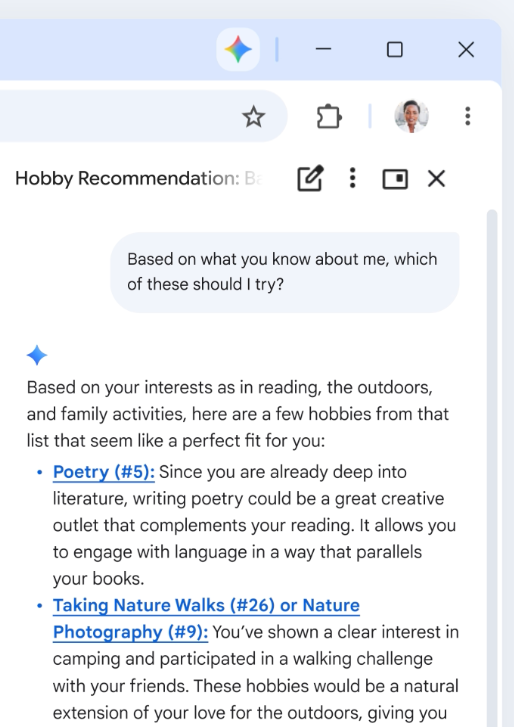
Users who opt in to this integration will be able to receive personalized suggestions based on information in their connected apps. For example, someone could be looking for recommendations on a product and receive a recommendation based on what Google knows about that person’s preferences and past purchases.
This is a major departure from the traditional Google Search experience, where the users encounter a largely similar result based mainly on the query they entered.
As users continue to adopt AI features like Personal Intelligence it will expand the factors that influence responses beyond a collection of algorithms that can be optimized for. Marketers will have no way to influence the personal factors that will shape these types of responses.
The presence of AI Overviews has increased 58% YoY
A study from the SEO platform BrightEdge reported that the presence of AI Overviews in Google Search has increased 58% YoY, showing up on roughly 48% of search engine results pages in February of 2026. That figure was closer to 31% in February of 2025.
The report also found that the overlap between traditional top 10 rankings and AIO citations varies widely, and appears to have a lot to do with industry type. Healthcare related searches saw the highest overlap at 24%, whereas Finance related searches were measured at 11% overlap.
Here’s a look at the overlap for the different industries BrightEdge measured:
| Industry | AIO / Top-10 Overlap (2026) |
| Healthcare | 24.0% |
| B2B Tech | 22.6% |
| Education | 23.1% |
| Insurance | 22.4% |
| Entertainment | 18.5% |
| Travel | 17.7% |
| eCommerce | 13.4% |
| Finance | 11.3% |
| Restaurants | 9.3% |
The YoY trends specified in the report appear to show that the overlap between AIO citations and top 10 rankings is getting more consistent over time. However, there is still a significant difference between what ranks organically and what gets cited by AI in Google Search.